Rooted in Recovery: Why Supporting Our Farmers Shapes Western North Carolina’s Future
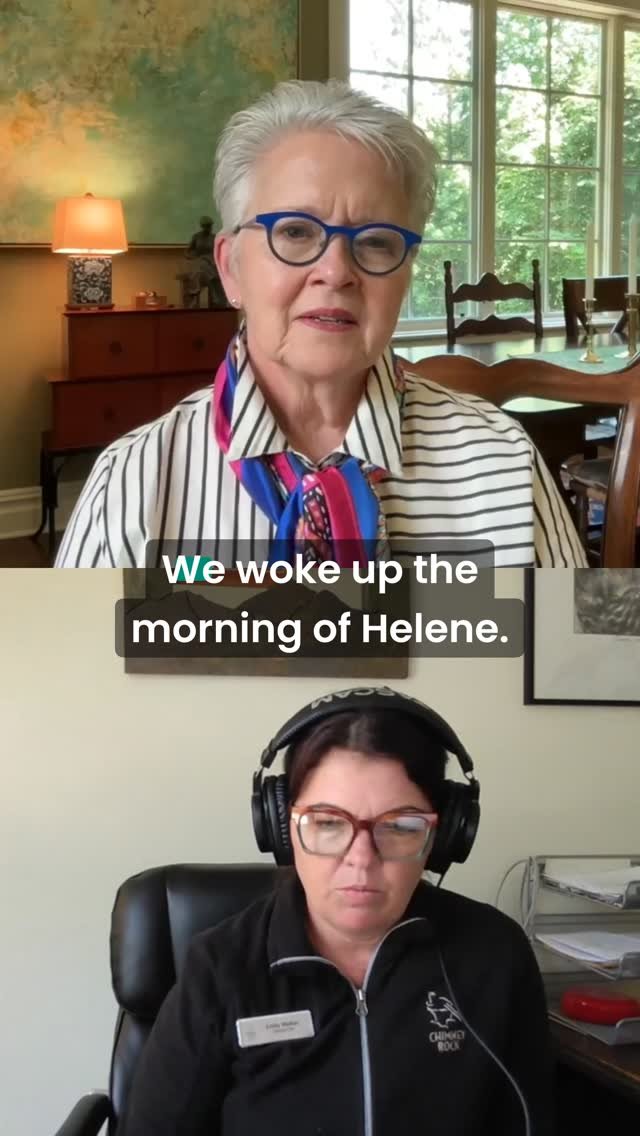
I recently had the privilege of sitting down with Kaleb Rathbone, Assistant Commissioner for Western North Carolina Agricultural Programs and Small Farms, and a farmer himself. Our conversation was a reminder of something I’ve felt deeply since Hurricane Helene: recovery in Western North Carolina is not just about roads and buildings, it’s about the people and industries that sustain our way of life.
And agriculture sits right at the heart of that story.
A Storm That Hit More Than Fields
When Helene came through, the damage to farms across our region was immediate and deeply personal. Fences were washed out. Hay was lost. Fields were flooded. For many family farms, even losing a single acre can mean tens of thousands of dollars in losses. That’s the reality of small, high-value agriculture in the mountains.
But what stood out most in the aftermath wasn’t just the damage, it was the response.
Kaleb described neighbors helping neighbors, Cooperative Extension offices stepping in, nonprofits, Farm Bureau leaders, and state teams all working together. Crews were cutting roads to reach isolated farms. Supplies were staged and delivered, however possible by truck, ATV, or even by hand when necessary.
It was Western North Carolina at its best: not waiting for help, but becoming the help.
Agriculture: The Backbone We Don’t Always See
One of the most surprising lessons from our conversation is just how significant agriculture is to North Carolina and to our region. North Carolina is the third most agriculturally diverse state in the nation, with more than 90 commodities produced across the state.
Here in the mountains, agriculture looks different from what it does in the east. Our farms are smaller, often family-owned, and focused on specialty crops like apples, vegetables, trout, Christmas trees, livestock, vineyards, and so much more. The terrain shapes what we grow, but it also shapes who we are.
These are not just businesses. They are multi-generational family operations that keep land in production, preserve our landscapes, and anchor our rural communities.
When farms struggle, the ripple effects touch everything from local economies to tourism to the very character of our region.
Progress Is Happening, But Recovery Takes Time
There is good news. Recovery is moving forward.
Kaleb used an analogy that resonated with me: rebuilding after a disaster is like building a house. The framing and roof go up quickly, that’s the initial response we all saw. But the slower, more detailed work, like the plumbing, electrical, and finishing touches, that’s where time and resources are really needed.
On farms, that “trim work” looks like repairing streambanks, rebuilding infrastructure, and recovering financially after seasons of low commodity prices and high input costs. It’s painstaking, expensive work that doesn’t always make headlines but is essential for long-term stability.
Significant state and federal programs are helping provide relief funds and support, but the need remains real for many farmers who are still working to fully recover.
Why Buying Local Matters More Than Ever
One of the most practical ways we can help is also one of the simplest: being intentional about what we buy.
When we choose products grown in Western North Carolina, whether at a grocery store, farmers market, roadside stand, or vineyard, we are directly supporting the families who steward our land and produce our food. Those purchases help keep farms viable, keep land green, and keep our regional economy strong.
It’s easy to assume those choices don’t make a difference. But for a family farm, they absolutely do.
As Kaleb shared, sales made from the back of a truck at a local market were what allowed his own family farm to operate. That’s how close to the margin many of these operations truly are.
Looking Ahead: A Future Still Rooted in Agriculture
As we think about Western North Carolina five, ten, even twenty years from now, one question keeps coming back to me: what do we want this place to look like?
If we want to preserve our open landscapes, our rural character, and our strong local food systems, then we must keep family farms productive and profitable. Agriculture is not just part of our past, it is essential to our future recovery and long-term vision.
Supporting our farmers helps ensure that Western North Carolina remains a place where communities stay connected to the land, where local economies thrive, and where the next generation still sees opportunity in agriculture.
A Call to Act Justly and Love Mercy
In uncertain times, I often return to the words of Book of Micah 6:8: to act justly, love mercy, and walk humbly. Those words remind us to stand with the people who grow our food and to care for neighbors still working to recover.
Recovery is a shared effort rooted in everyday choices. Choosing local is a simple way to strengthen our farms and our communities. What are some ways you support local producers? I’d love to hear as we continue rebuilding—together.
With gratitude and hope,
Sharon